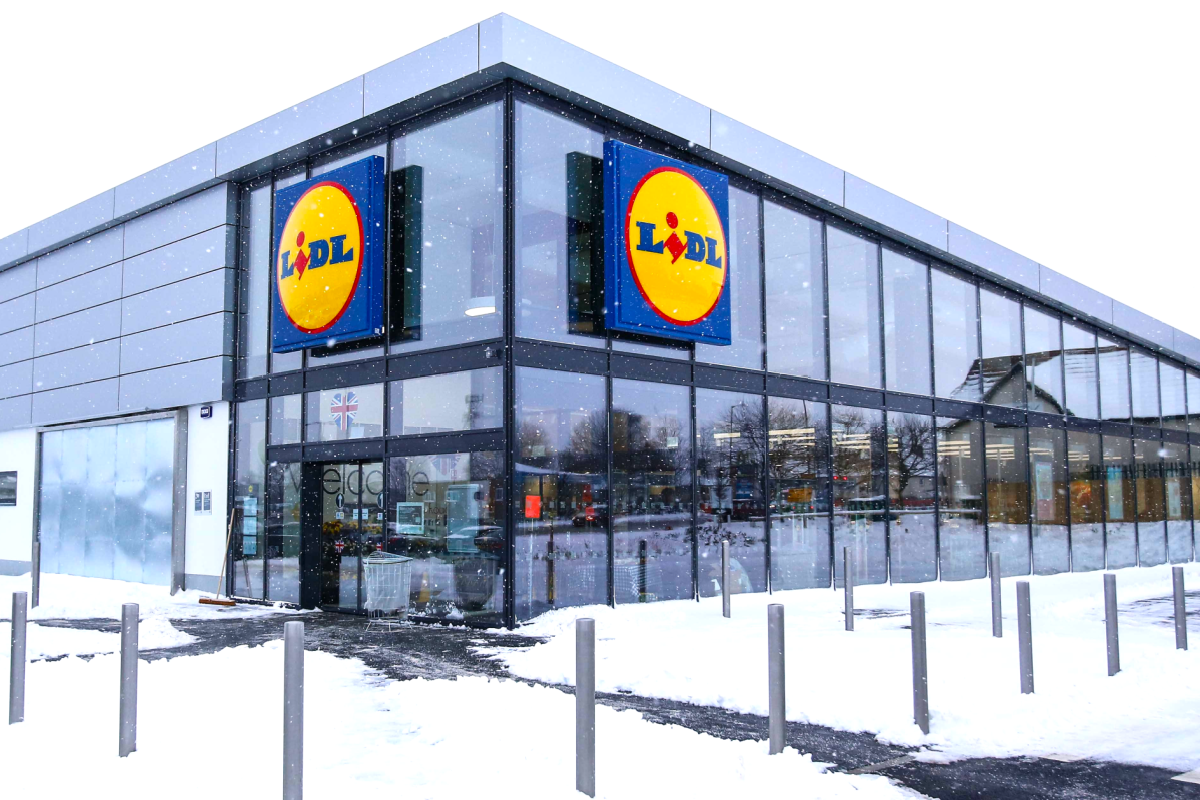
Lidl-backed report warns corporate giving is missing England’s poorest communities

Lidl
GroceryHuman ResourcesNews

Corporate giving is failing to reach some of England’s most deprived communities, according to a new report produced by Neighbourly, in partnership with Lidl.

The Giving Without Guessing report found that 82 per cent of neighbourhoods ranked among England’s most severely deprived areas in 2019 remained in the bottom 10 per cent in 2025.

Neighbourly said traditional corporate giving models can overlook pockets of severe deprivation, particularly where hardship exists alongside more affluent areas.

The report analyses the government’s 2025 English Indices of Deprivation alongside feedback from hundreds of charities in Neighbourly’s network.

It found that more than 65 per cent of local authority areas contain at least one neighbourhood ranked among the 10 per cent most deprived nationally.

Meanwhile, just three per cent of charities surveyed by Neighbourly said corporate support reflects local need “very well”, while 95 per cent believe smaller and less visible charities are overlooked when businesses distribute funding and other support.

Neighbourly chief executive Steve Butterworth said: “Businesses want their community investment to make a real difference, but too often they are giving without the full picture.

“Need is not always where people expect it to be – it can be hidden inside apparently prosperous areas, masked by regional averages, or concentrated in tiny neighbourhood pockets that conventional giving models simply do not see.”

The report calls on businesses to take a more targeted approach to community investment by combining deprivation data with local insight, matching companies with charities able to make best use of funding, surplus stock or volunteering, and measuring the social value generated.

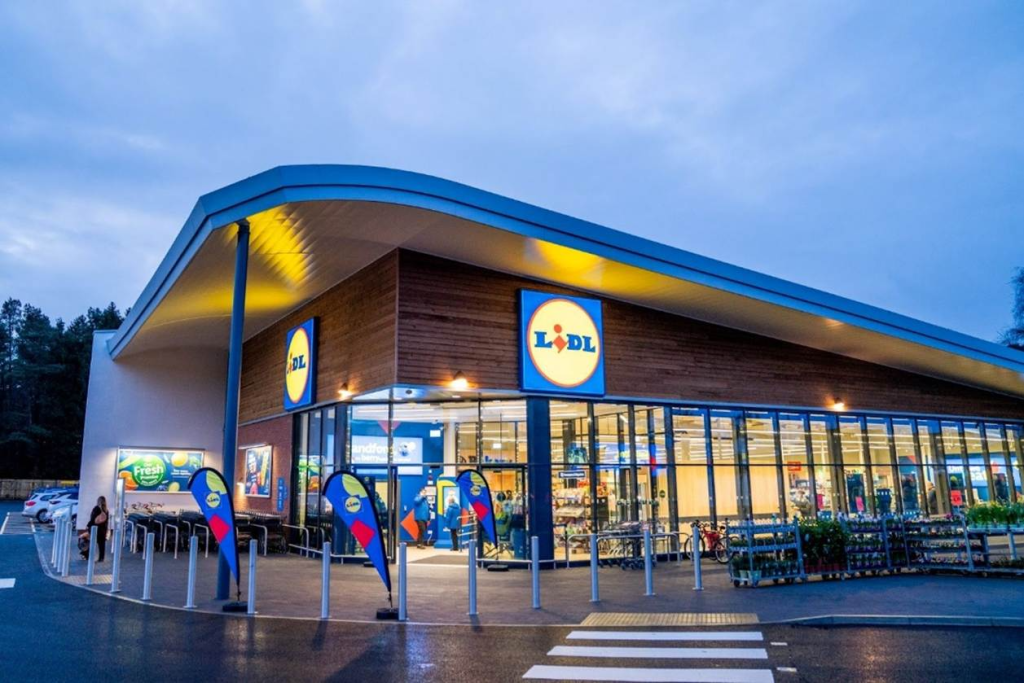
Lidl GB uses Neighbourly to connect its stores with local charities and community groups, helping the discounter distribute surplus food, donations and funding.

Lidl GB head of sustainability Matt Juden said: “At Lidl GB, being part of a community means understanding and responding to what local people actually need.

“A national commitment only becomes meaningful when it can be delivered with local precision and through Neighbourly, we’re able to connect every one of our stores with trusted good causes in its area.”

During 2025, Lidl GB donated more than 10,000 tonnes of food through the partnership, equivalent to 18.5m meals.

The supermarket is also investing £1m in its Lidl Foodies programme, which provides primary school children with workshops focused on healthy and fresh food.

Neighbourly said its platform has generated more than £2bn of social value for local communities to date, connecting businesses with a network of more than 45,000 charities, food banks and community groups across the UK and Ireland.

The group is targeting £10bn of social value by 2030.

Click here to sign up to Retail Gazette‘s free daily email newsletter

GroceryHuman ResourcesNews

Leave a Reply

Your email address will not be published. Required fields are marked *

Fill out this field
Fill out this field
Please enter a valid email address.

Lidl-backed report warns corporate giving is missing England’s poorest communities

Lidl

Corporate giving is failing to reach some of England’s most deprived communities, according to a new report produced by Neighbourly, in partnership with Lidl.

The Giving Without Guessing report found that 82 per cent of neighbourhoods ranked among England’s most severely deprived areas in 2019 remained in the bottom 10 per cent in 2025.

Neighbourly said traditional corporate giving models can overlook pockets of severe deprivation, particularly where hardship exists alongside more affluent areas.

The report analyses the government’s 2025 English Indices of Deprivation alongside feedback from hundreds of charities in Neighbourly’s network.

It found that more than 65 per cent of local authority areas contain at least one neighbourhood ranked among the 10 per cent most deprived nationally.

Meanwhile, just three per cent of charities surveyed by Neighbourly said corporate support reflects local need “very well”, while 95 per cent believe smaller and less visible charities are overlooked when businesses distribute funding and other support.

Neighbourly chief executive Steve Butterworth said: “Businesses want their community investment to make a real difference, but too often they are giving without the full picture.

“Need is not always where people expect it to be – it can be hidden inside apparently prosperous areas, masked by regional averages, or concentrated in tiny neighbourhood pockets that conventional giving models simply do not see.”

The report calls on businesses to take a more targeted approach to community investment by combining deprivation data with local insight, matching companies with charities able to make best use of funding, surplus stock or volunteering, and measuring the social value generated.

Lidl GB uses Neighbourly to connect its stores with local charities and community groups, helping the discounter distribute surplus food, donations and funding.

Lidl GB head of sustainability Matt Juden said: “At Lidl GB, being part of a community means understanding and responding to what local people actually need.

“A national commitment only becomes meaningful when it can be delivered with local precision and through Neighbourly, we’re able to connect every one of our stores with trusted good causes in its area.”

During 2025, Lidl GB donated more than 10,000 tonnes of food through the partnership, equivalent to 18.5m meals.

The supermarket is also investing £1m in its Lidl Foodies programme, which provides primary school children with workshops focused on healthy and fresh food.

Neighbourly said its platform has generated more than £2bn of social value for local communities to date, connecting businesses with a network of more than 45,000 charities, food banks and community groups across the UK and Ireland.

The group is targeting £10bn of social value by 2030.

Click here to sign up to Retail Gazette‘s free daily email newsletter

Social


SUBSCRIBE TO OUR DAILY NEWSLETTER

  • This field is for validation purposes and should be left unchanged.
GroceryHuman ResourcesNews

Leave a Reply

Your email address will not be published. Required fields are marked *

Fill out this field
Fill out this field
Please enter a valid email address.

RELATED STORIES

Latest Feature


Menu


Please enter the verification code sent to your email: